

Contents
- Early Life and Family Background
- Career in Journalism and Media Leadership
- Investigative Journalism and Editorial Work
- Press Institutionalization
- Academic Contributions
- Agricultural and Cooperative Leadership
- Tea Plantation Industry
- The Cooperative Movement
- Political Activism and Ideology
- Institutional Affiliations and Philanthropy
- Death and Legacy
- Awards and Distinctions
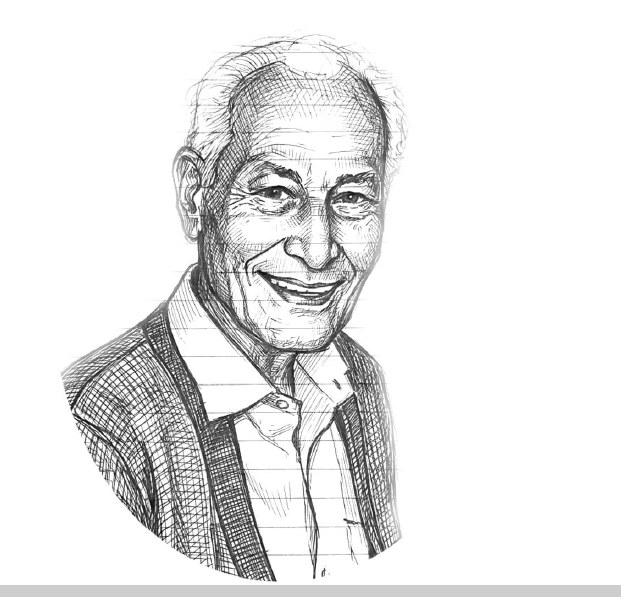
Apurba Kumar Baruah (7 January 1933 – 18 February 2026) was an eminent Indian journalist, social organizer, progressive political leader, author, and tea planter from Assam. Widely honored with the title Sanbad Shiromani (Jewel of Journalism), Baruah was a foundational figure in shaping the socio-cultural, agricultural, and press landscapes of post-independence Assam, particularly in the Golaghat region. Over a career spanning several decades, he served as the proprietor and Chief Editor of the influential weekly newspaper Saptahik Dhansiri, pioneered the regional cooperative movement, and held national executive roles in press federations.
Early Life and Family Background
Apurba Kumar Baruah was born on 7 January 1933 in the historical Purona Amolapatty neighborhood of Golaghat, Assam. He belonged to a highly respected Brahmin family with deep intellectual and community roots.
-
Father: Maheswar Baruah, a highly revered legal expert (Borenya Ainagya) and public figure in upper Assam.
-
Mother: Tilottama Baruah, a widely respected matriarch and humanitarian.
Baruah’s upbringing in Golaghat instilled in him a deep commitment to regional development, public welfare, and secular ideals. Despite his orthodox community lineage, he championed secular humanism throughout his life, treating people of all faiths with absolute equality.
Career in Journalism and Media Leadership
Investigative Journalism and Editorial Work
Baruah entered the field of journalism in the post-independence era, transforming what began as a passionate pursuit into a lifelong calling. He was one of upper Assam’s early champions of investigative journalism. As the founder, owner, and Chief Editor of Saptahik Dhansiri, a prominent Assamese weekly newspaper, he provided a crucial platform for regional issues, social reforms, and literature. He mentored generations of regional journalists, establishing rigorous standards of editorial integrity.
Press Institutionalization
Baruah was instrumental in organizing journalists in upper Assam long before Golaghat was officially carved out as a separate administrative district. He served as a core architect and former president of the Golaghat District Journalist Association (established on 28 March 1965).
His leadership eventually expanded to the national level, where he served as the National Vice President of the All India Small and Medium Newspapers Federation, advocating for small-town and vernacular publications across India.
Academic Contributions
Baruah made significant contributions to formal media education in the state. He authored the authoritative text Small and Medium Journalism. Recognizing its depth regarding regional and vernacular press management, Gauhati University officially adopted the book into its academic curriculum for journalism studies.
He was also a prolific writer and essayist, publishing multiple resource books on regional socio-political history, agriculture, and culture.
Agricultural and Cooperative Leadership
Tea Plantation Industry
Baruah was an accomplished tea planter, actively working to bridge the interests of small-scale regional tea growers with the broader industry. He was a senior, revered leader within the North Eastern Tea Association (NETA), which honored him for his commercial acumen and vision for sustainable tea production in Assam.
The Cooperative Movement
A staunch believer in economic democracy, Baruah acted as a key pioneer (Guri Dhorota) of the cooperative movement in upper Assam. He led multiple cooperative initiatives aimed at securing financial independence for local farmers and small entrepreneurs. Notably, his efforts culminated in the establishment of a regional cooperative bank, providing structured financial credit to rural communities.
Political Activism and Ideology
Baruah was deeply committed to progressive, leftist, and socialist ideologies. In his early career, he emerged as a prominent organizer and leader within regional socialist movements, advocating for land reforms, labor welfare, and equity.
Later, his political trajectory led him to take on senior administrative and leadership responsibilities within the Indian National Congress party at both the state and national executive levels.
Institutional Affiliations and Philanthropy
Baruah functioned as an institutional anchor (Batabriksha) for countless civic, literary, and educational bodies in Golaghat, often providing them with advisory leadership and substantial financial patronage:
-
Literary Organizations: He maintained close lifelong ties with the Assam Sahitya Sabha, serving as a chief advisor and mentor to the Golaghat District Sahitya Sabha, the Golaghat Branch Sahitya Sabha, and the West Golaghat Branch Sahitya Sabha. He also mentored creative writers through the Golaghat District Kobi-Sahitya Chora.
-
Cultural Patronage: In memory of his father, Maheswar Baruah, he donated a dedicated institutional building to the Golaghat Sangeet Vidyalaya (Music College), ensuring a permanent space for classical and traditional music education in the district.
-
Religious Harmony: He donated the ancestral plot of land in the Bagicha Ali (Panchali) area of Golaghat for the construction and development of the Shree Shree Sivalaya Navagraha Mandir.
-
Scientific and Environmental Advocacy: He served as a patron and senior member of the Sujoni Lekhika Samaroh Samiti, the Golaghat Nagar Mahila Samiti, the Society for Environmental Education of North-East (SEENE), and the Ellora Vigyan Mancha (promoting scientific temper).
-
Educational Support: He maintained close institutional advisory ties with local schools, including the Dandadhar Girls' High School.
Death and Legacy
Baruah died on the night of 18 February 2026 at the Gauhati Medical College and Hospital (GMCH) following age-related complications at the age of 93. His death marked the conclusion of a significant era in Assamese public life, drawing deep expressions of grief from prominent state politicians, journalists, student organizations (such as the All Golaghat District Students' Union), and literary scholars.
He was survived by his wife, Punya Prabha Baruah (also referred to in community notes as Bulu Baruah), his children, and a large family. His Adya Shraddha (traditional memorial service) was observed on 28 February 2026, marked by the release of the commemorative volume Apurba Subas, edited by Sultan Ali.
Awards and Distinctions
-
Sanbad Shiromani (Jewel of Journalism) – An honorific title bestowed upon him by regional civic societies for his pioneering investigative press work.
-
Bhashar Oja Hemchandra Barua Award – The highest honor conferred by the Golaghat District Journalist Association for outstanding dedication to regional journalism.
-
NETA Lifetime Achievement Award (2025) – Conferred by the North Eastern Tea Association in recognition of his lifelong contributions to the tea industry and social statesman leadership.